

In 2022 a psychiatrist and a psychiatry resident in Toronto reviewed the 100 most popular TikTok videos tagged #adhd, which together drew an average of nearly 3 million views each. They judged 52 of them misleading.1 Three years later the Guardian asked psychologists, psychiatrists and academics to review the 100 most popular videos tagged #mentalhealthtips, and they reached the same figure: 52% inaccurate or misleading.2 The errors were familiar. Ordinary stress was described as a symptom of a disorder, complex conditions were reduced to checklists, and personal experience was offered as advice for everyone.
Does it matter who is speaking?
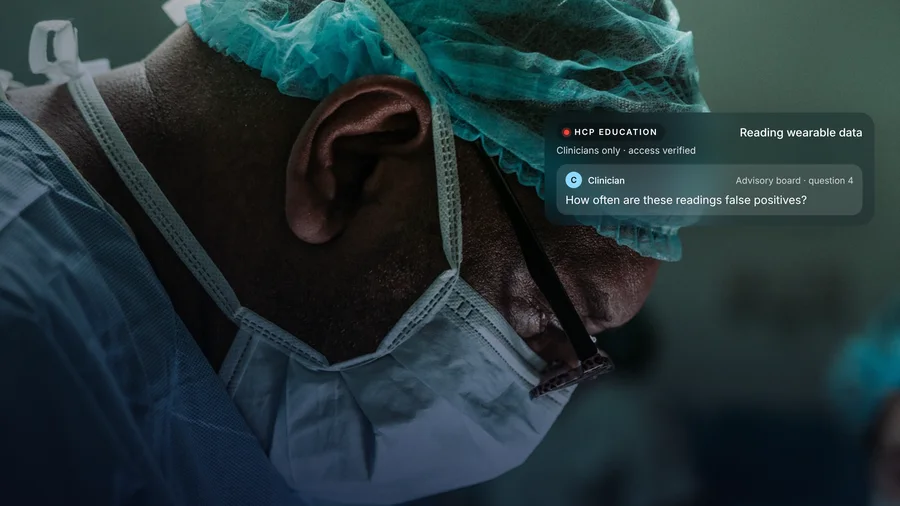
The ADHD study answered this directly. Only 11 of the 100 videos were posted by health professionals, and those were rated higher in quality and usefulness and were less likely to contain misinformation.1 A qualified speaker did not guarantee a good video, but it was the strongest predictor the researchers found.
How the most popular mental health videos on TikTok were judged
Yeung et al., Canadian Journal of Psychiatry, 2022; the Guardian, 2025
For a brand the conclusion is practical. Viewers can't check every claim, but they can check a person. A named psychologist with a visible registration is a signal anyone can verify, and an anonymous feed offers nothing comparable.
Why do people stop using mental health apps?
Brands face the same problem from the other side. A 2019 study in the Journal of Medical Internet Research tracked 93 popular Android mental health apps with at least 10,000 installs each. On a typical day a median of 4% of users opened their app, and after 30 days a median of 3.3% were still using it.3 The apps were easy to download and easy to forget.
Research on guided programs points to what keeps people going. A 2022 meta-analysis in Psychological Medicine pooled 22 studies of computerized mental health programs, mostly for depression and anxiety, and compared versions with human guidance to versions without. Guidance increased how much of the program people completed, and full completion rates were 12% higher in the guided groups.4 The guidance in those studies was often brief: a check-in, a message, a person who noticed. A live monthly session with a clinician people can see is a version of the same thing, delivered to many members at once.
Which kind of expert, for which kind of content?
Who should be speaking at each level of mental health care
Adelo Insights
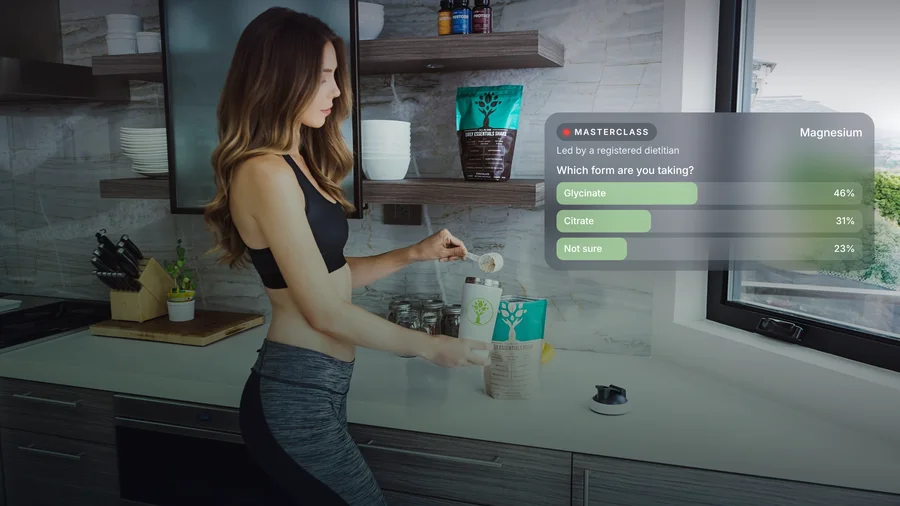
Not everything needs a clinician. Short tips and articles can be written by anyone, provided the sources are checked. Self-guided programs should be designed with a psychologist. Treatment is regulated: in 2024 Rejoyn, built by Click Therapeutics and launched by Otsuka, became the first prescription digital therapeutic cleared by the FDA for the adjunctive treatment of major depressive disorder symptoms.5 Most consumer brands work in the middle, in live group sessions where people ask about their own lives in front of a professional. That is where they can do the most good and where they carry the most risk.
What happens when people disclose in a live session?
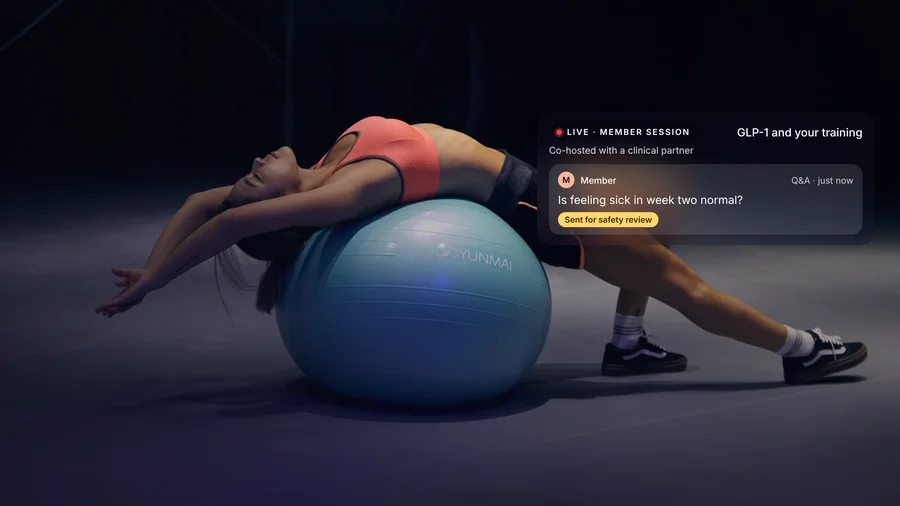
People say more in a live session than they type into an app. Someone may describe a crisis in the chat, and someone else may ask whether to stop their medication. The expert on screen can't handle both while presenting, so the session needs a moderator, a written plan for disclosures and a route to crisis support that every attendee can see.
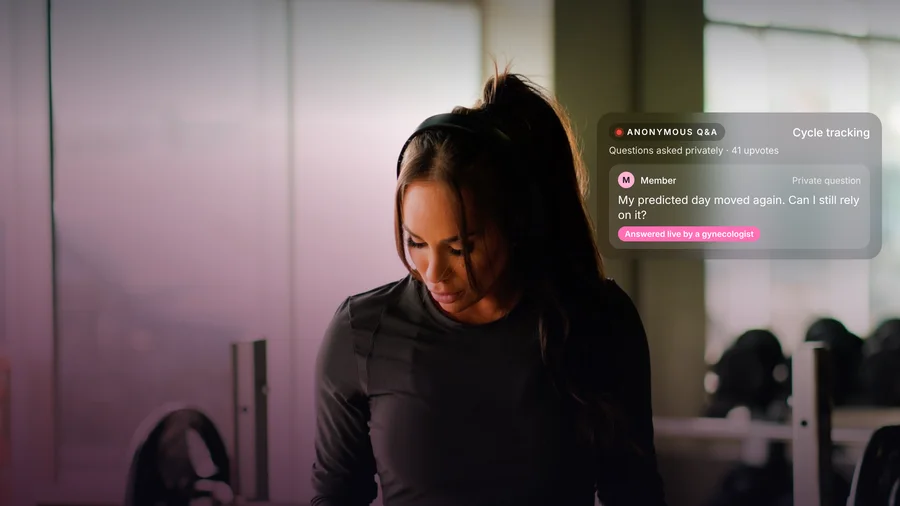
Survey research explains why the format of a question matters. When people answer sensitive questions privately, they report more than when they answer to an interviewer. Tourangeau and Smith showed this in 1996 with computer-assisted self-interviews, which increased admissions of illicit drug use.6 Anonymous questions in a live session work the same way, so they bring out the questions people really have, including the hard ones.
- Let people ask anonymously, and say so before anyone types.
- Moderate before questions reach the room. A moderator reads every question first, answers the urgent ones privately and passes the rest to the expert.
- Show crisis resources throughout the session, and agree in advance who follows up with anyone who discloses risk.
- Keep the expert to general education on air. Anything about one person's diagnosis or medication goes to their own clinician.
What are the rules around the brand?
Two kinds of rule apply even to wellness brands. The first is about claims: once a product says it treats a condition, it is a medical device, as Rejoyn's clearance shows.5 The second is about data. In 2023 the online therapy service BetterHelp agreed to return $7.8 million to customers in an FTC settlement over sharing email addresses, IP addresses and intake questionnaire answers with Facebook, Snapchat, Criteo and Pinterest for advertising, after promising to keep them private. The order limits how it can share consumer data.7 Questions asked in a live mental health session are some of the most sensitive data a company will ever hold, so the platform they are asked on needs to be chosen with that in mind.

 Adelo Insights · Health tech and the expert voice