Wearable, supplement, nutrition and wellness app brands increasingly speak through athletes, creators and podcast hosts. In pharma, anyone who speaks for a product is trained, briefed and monitored. In consumer health, most of them get a discount code and a brief.
The Adelo teamAdelo Insights
Published 3 November 2026
An Adelo Insights essay on health tech and the expert voice
Pew Research found in May 2026 that 40% of US adults ever get health and wellness information from social media influencers or podcasts. Among them, only 10% trust all or most of what they hear, yet 54% say it has helped them understand how to be healthy.1 For a large share of the public, the creator is the product's explainer, trusted a little and listened to a lot.
1
The gap between pharma and health tech
Consumer health runs on borrowed voices. WHOOP's Series G in 2026 was backed by athletes including Cristiano Ronaldo and LeBron James alongside Abbott.2 Oura and Eight Sleep run ambassador programs, and supplement, greens powder and protein brands are built almost entirely on creators and podcast reads. That reach comes with real legal exposure. Under the FTC's Endorsement Guides, updated in 2023, advertisers are liable for misleading or unsubstantiated statements made through endorsements, and the FTC expects them to guide their endorsers, monitor what they say and act when something goes wrong.3 The FTC's separate health products guidance says expert endorsers can be liable too.4 Under the FDA's 2026 wellness guidance, what is said about a wearable helps decide whether it is still a wellness product at all, and a creator who says a supplement treats a condition has turned it into an unapproved drug in that sentence.
Pharma speaker
Health tech creator today
Training on the science
Required, by a medical team
Usually a brief, if anything
Approved claims
Agreed in writing before speaking
Often improvised on camera
Record of who was trained
Kept and refreshed
Rarely kept
Questions captured
Fed back to medical teams
Lost in DMs and comments
Refresh at each launch
Standard
Ad hoc
Pharma got here first, and not gracefully. Drug and device companies reported paying nearly $2 billion to health professionals for speaker-related services over three years. In November 2020 the Office of Inspector General issued a Special Fraud Alert naming what had gone wrong: programs with no new information, guests with no reason to attend, venues built for entertainment, fees that tracked prescribing.5 Fourteen months later the PhRMA Code was tightened. Today every pharma speaker is trained, every deck is approved, and attendance is on the record. The 2024 ABPI Code goes further and requires anyone whose work touches a medicine to be trained on the rules that apply to it.6
2
What happened to Teami
In March 2020 the FTC settled with Teami, a company selling detox teas largely through Instagram. The agency said Teami and its owners made unsubstantiated health claims for its 30 Day Detox Pack, and that paid endorsements by creators, including Cardi B and Jordin Sparks, hid the fact that they were paid, sometimes behind Instagram's "more" button. The FTC had already warned the company about buried disclosures in 2018. The settlement carried a $15.2 million judgment, suspended because Teami could not pay it, and required the company to return $1 million to customers. Ten creators received warning letters.7
Nothing about Teami was unusual for its category in 2020. Creators posted what they were sent and the brand assumed the claims were the creator's responsibility. The FTC said otherwise, and its 2023 Endorsement Guides made that position harder to misread. A creator who had sat through a short session on what the product does and doesn't do, and who knew which sentences were off limits, would have been an asset to Teami instead of evidence against it.
3
Run a creator academy
The model pharma landed on is a speaker bureau: a named group of people trained to speak for the product, with approved content, a record of training and periodic review. Translated for creators, it looks like this.
Fig. 1The academy
How a creator academy runs
Adelo Insights
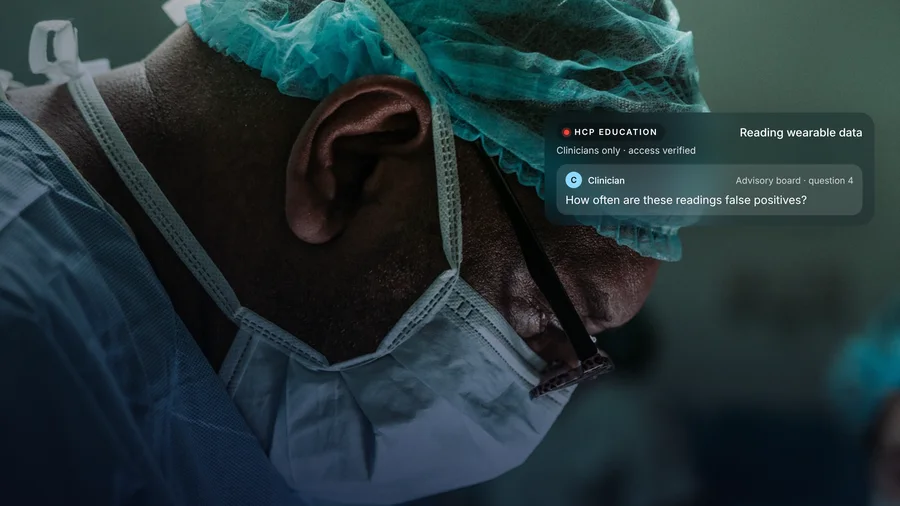
Have a named expert teach the science, with the claims sheet as a reference. Twenty minutes with a sleep scientist on HRV, or a dietitian on what magnesium can and can't do, does more for a creator than any legal brief.
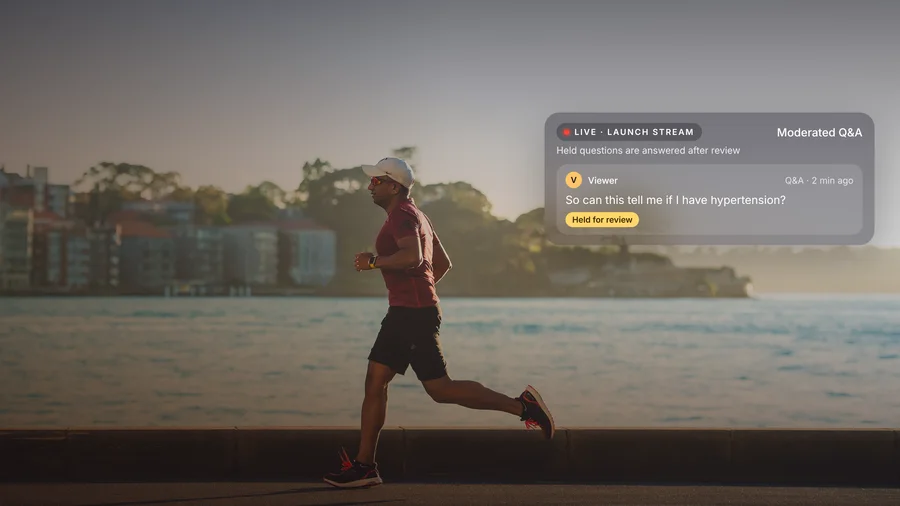
Give them the three sentences never to say. "This can tell you if you have…" and "you can stop taking your…" come first. Keep the list short enough to remember.
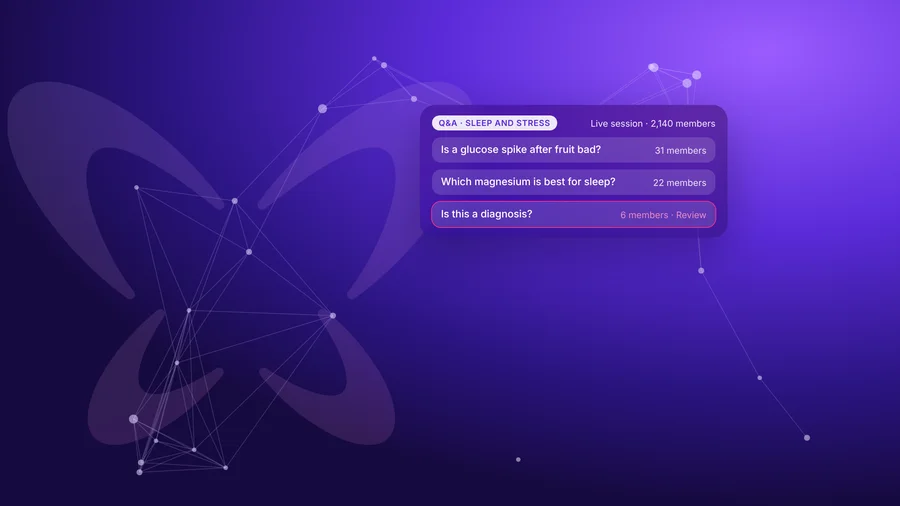
Capture what they ask. The question a creator asks in training is the mistake they would have made on camera. It is also a gift to your product team.
Record attendance and refresh at every launch. When a regulator or a journalist asks what you did, "we trained them, here is the record" is the right answer.
Review the posts against the approved language. Quarterly, with a search across what was actually said.
A creator trained by a named sleep scientist is more credible than one reading a brief.
Adelo Insights · Part 4
4
Why trained creators are better creators
The usual objection is that training kills authenticity, but the evidence points the other way. Pew's data shows audiences already discount influencers: most trust only some of what they hear.1 They respond better when a creator clearly understands the subject. A creator who has sat in a live session with the company's scientist or dietitian, asked their own questions and heard them answered, explains the product in their own words with the confidence of someone who actually knows. That is more authentic than a script, and it is the version a brand can stand behind.
Frequently asked questions
How should health brands train influencers and ambassadors?
Give them a short live training from a named expert on the science, a written list of approved claims and a record of who was trained, refreshed at each launch. The FTC holds brands responsible for what their endorsers say, and creators who understand the science come across as more credible.
Are brands responsible for what influencers say about their products?
Yes. Under the FTC's Endorsement Guides, updated in 2023, advertisers can be liable for misleading or unsubstantiated statements made through endorsements, even when the endorser is not. The FTC expects advertisers to guide their endorsers, monitor what they say and act on problems.
How many people get health information from influencers?
Pew Research found in May 2026 that 40% of US adults ever get health and wellness information from social media influencers or podcasts. Only 10% of them trust all or most of it, but 54% say it helped them understand how to be healthy.
What is a creator academy?
A training program for creators, athletes and ambassadors, modeled on pharma speaker training: expert-led sessions on the science and the approved claims, attendance recorded, refreshed at every feature launch, with the creators' own questions captured because what confuses them in training is what they will get wrong on camera.
What did pharma learn about paid speakers?
That borrowed credibility comes with rules. After US companies reported paying nearly $2 billion for speaker-related services over three years, the Office of Inspector General issued a fraud alert in 2020 and the PhRMA Code was tightened in 2022. Training, approved content and records are now standard.
Does training make creators less authentic?
The opposite, if it is done by a real expert rather than a legal brief. A creator who has sat with a scientist or dietitian and asked their own questions explains the product better and more credibly than one reading a claims sheet.
Adelo Insights are written by the Adelo team, the professional video event platform for health. They draw on the sessions pharma, agency and consumer health teams run on Adelo every week, and on the research cited in each essay.




 Adelo Insights · Health tech and the expert voice